
Vertical Microdrama Performance Curriculum
A Licensed, Industry-Aligned Training Program for the 9:16 Storytelling Economy
Vertical microdrama is now a mainstream screen format, but most training programs are not yet equipped to teach it.
The Vertical Microdrama Curriculum gives institutions a credible, standards-driven way to offer format-specific training that prepares students for real vertical production environments, without lowering artistic rigor or replacing foundational craft.
Why This Program Exists.
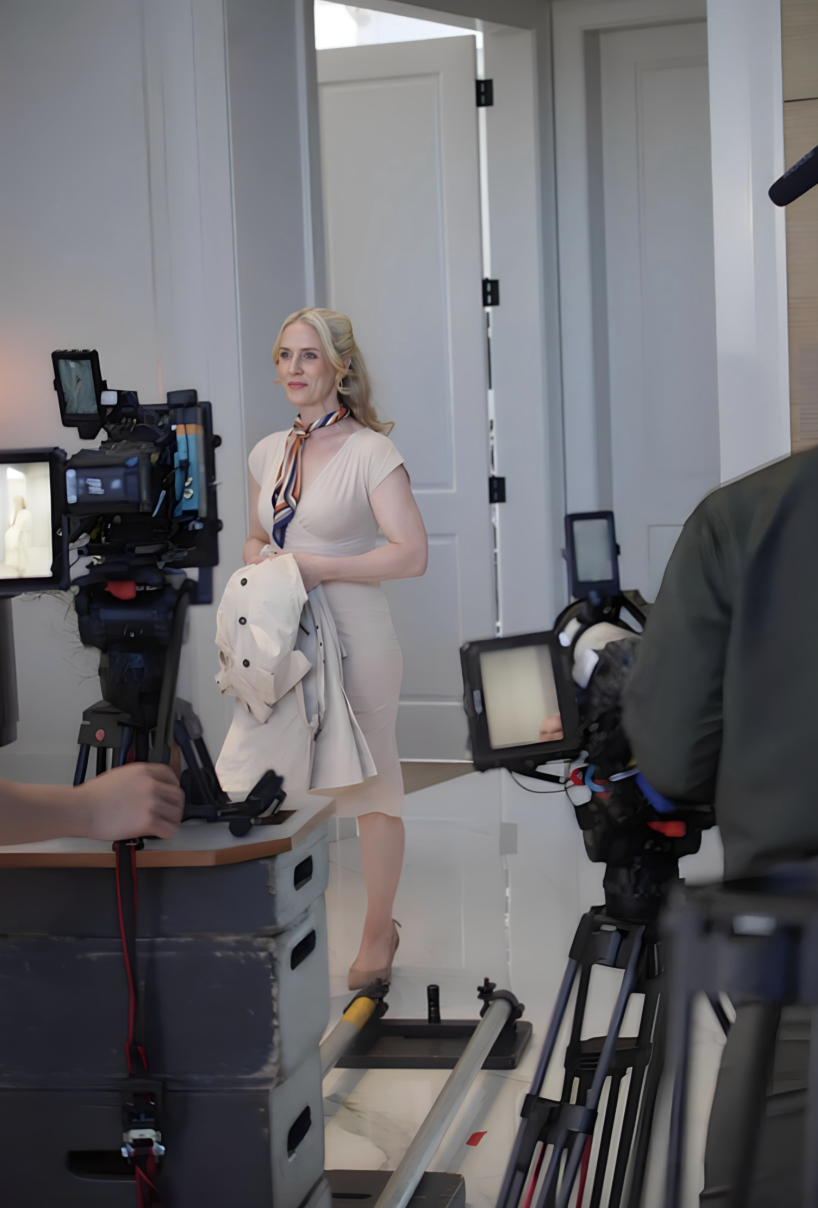
Vertical microdrama is not “social media acting,” and it is not a simplified version of film or television.
It is a distinct production and performance environment defined by:
9:16 framing and restricted physical space
Extreme camera proximity (close-field performance demands)
Accelerated pacing and immediate emotional clarity
Dense dialogue with limited coverage
Fast shooting schedules and repeatable performance requirements
Viewer retention dynamics that place unusual pressure on performance readability
Many trained performers struggle in this format - not due to talent - but because the calibration is different. Institutions need a teachable framework that supports both students and faculty.
What Institutions Get.
This is not a static PDF course. It’s a licensed instructional framework designed for consistent delivery and measurable student growth.
Institutions receive a program that is:
Performance-first (camera-based repetition, not theory-heavy)
Standards-driven (designed to maintain institutional credibility)
Faculty-supported (onboarding + ongoing alignment)
Outcome-oriented (clear benchmarks and recorded progress)
Who It’s For.
The Vertical Microdrama Curriculum is best positioned as:
An advanced elective
A specialization module
An upper-level course
A continuing education / certificate offering
A conservatory intensification
Ideal for:
Acting schools and conservatories
College and university theatre/film programs
Art schools and interdisciplinary media programs
Professional studios with advanced training tracks
This curriculum is designed for students who already have fundamentals (acting foundations + basic on-camera experience). It does not replace your core training — it expands it.
Learning Outcomes.
By the end of the program, students will be able to:
Perform effectively within a vertical (9:16) frame
Demonstrate close-field control (face, eyes, breath as primary storytelling tools)
Deliver immediate emotional hooks that establish stakes quickly
Execute controlled emotional escalation without overacting
Perform silent-tell moments (thought and intention without dialogue)
Maintain emotional clarity under speed/pressure, including rapid resets
Deliver short-form dialogue with precision, pacing, and readability
Navigate blocking and movement inside tight framing constraints
Perform cliffhanger moments that sustain continuation energy
Track measurable improvement via recorded performance progression
Program Structure.
The curriculum is delivered through structured, camera-based modules that build a complete vertical performance skill set, including:
Vertical frame foundations (9:16 performance logic)
Close-field acting and facial precision
Silent-tell performance and reaction work
Hooks (emotional entry and immediate stakes)
Spikes (controlled escalation and intensity management)
Dialogue delivery for fast, short-form scenes
Cliffhangers (timing, stillness, final image control)
Integration scenes + final recorded performance assessment
Delivery Formats.
The curriculum fits multiple institutional schedules while protecting quality and student feedback time.
Common formats:
Standard Term: 8 weeks, 1 class/week (3–4 hours)
Extended Term: 10–12 weeks (additional repetition + stamina)
Intensive: 4–5 weeks (2–3 classes/week)
Continuing Ed: modular weekend or evening delivery
Cohorts are intentionally limited to ensure every student receives:
On-camera repetition time
Individual performance notes
Documented progress from baseline to final work
Licensing Model.
Institutions license the curriculum through a non-exclusive, non-transferable, limited-term agreement for educational use.
The license is designed to protect:
Curriculum integrity
Student experience
Institutional reputation
Teaching consistency across locations
Licensing is intentionally limited to maintain quality and ensure the program remains supported.
What’s Included (By Package).
Depending on the licensing tier, institutional partners may receive:
Curriculum materials for instructional use
Faculty onboarding and delivery alignment
Scheduled instructor office hours
Defined rounds of student tape feedback (capacity-based)
Support for implementation planning and term structure
What This Program Is,
And Is Not.
This program is:
A format-specific performance specialization
A teachable institutional curriculum
Built for measurable on-camera results
Designed to add professional readiness without reducing standards
This program is not:
A beginner acting course
A replacement for fundamentals
A casting guarantee or employment pipeline
A trend-based “hack” workshop
Frequently Asked Questions
-
No. It fits any institution teaching screen performance, including theatre/film departments, conservatories, studios, and continuing ed programs.
-
Yes. In-person is preferred for calibration, but Zoom delivery is supported when engagement and quality can be maintained.
-
A smartphone camera setup is sufficient, plus basic playback capability for review and coaching.
-
Customization is possible by agreement. Institutions may not rebrand, redistribute, or create derivative versions without written consent.
Bring Vertical Microdrama Training to Your Institution
If your students are entering a changing screen economy, your program should reflect it,
without compromising standards.